
Horror Video Prompts for Halloween Scares
Dread comes from what the frame withholds, not from what it shows. Ten prompts written around darkness, silence and timing, with nothing graphic anywhere in them.
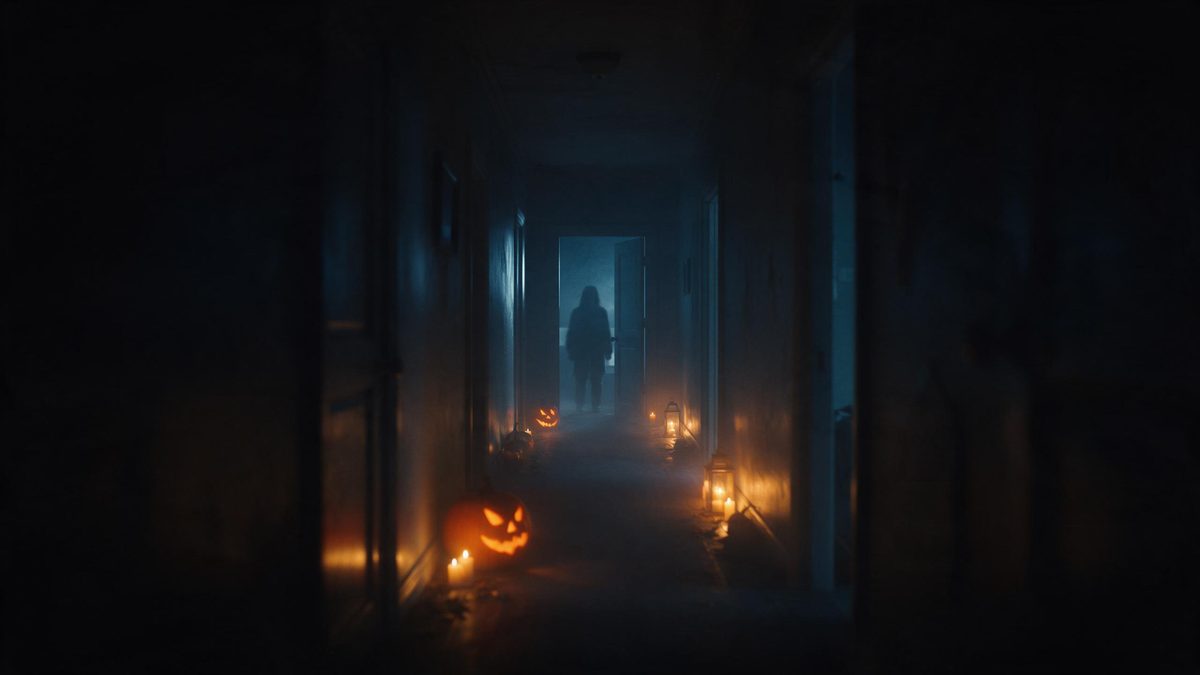
Every strong horror shot is built on withholding. A door that opens too slowly unsettles more than anything shown in the room behind it, and a sound with no visible source does more work than the thing making it. Working clean like this is also practical: it keeps the clip usable on platforms that punish graphic material, and it keeps you from spending a month of credits chasing effects that get flagged rather than shared.
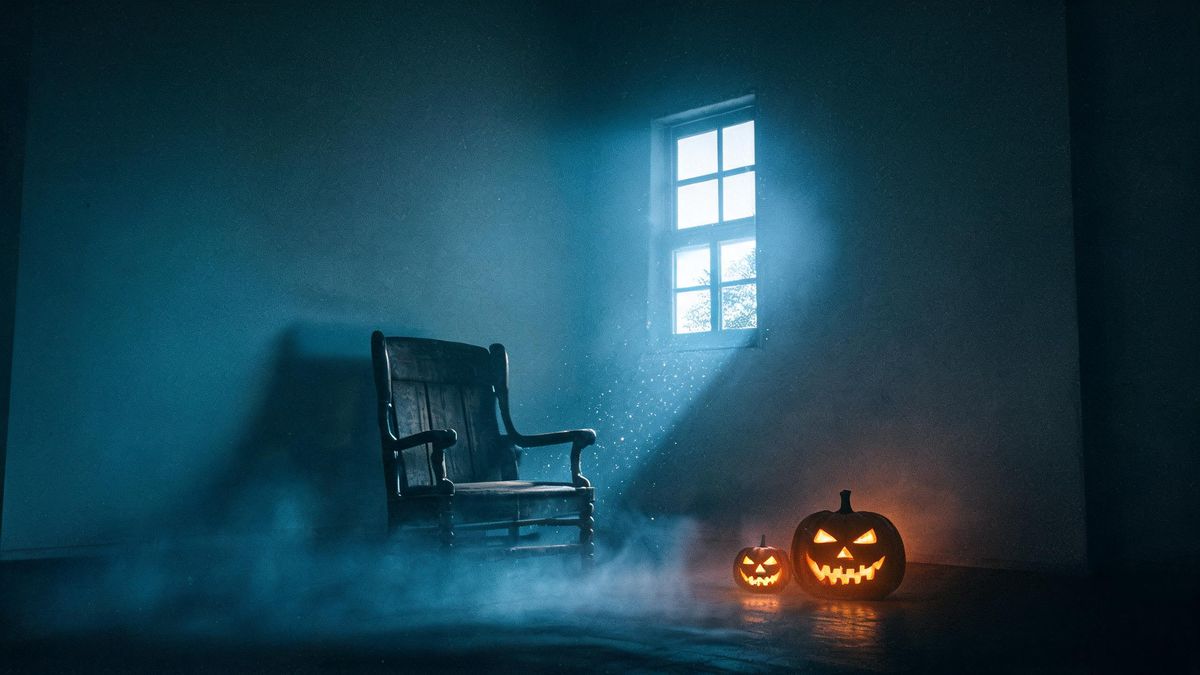
The mechanics are simple and worth stating plainly. The Halloween effect starts from one clear, front-facing portrait and generates the costume, the scene and the lighting, so nothing here asks you to build a set or buy anything. Of the three directions, lantern in fog is the natural base for anything with a person in it, while carved pumpkin and night street contain no face at all and work better as cold opens and title cards.
What it does
Built for this specific job, not a generic editor.
Mood carried by light and timing
Each prompt below names one source of light and one beat that arrives late. Nothing is described in detail, because the tension sits in how long the viewer waits for it rather than in what finally appears.
Three directions, three temperatures
Lantern in fog suits a figure standing in damp air, carved pumpkin reads warm and domestic gone wrong, and night street gives you empty pavement and distance. Pick the coldest one your story allows, then write to it rather than against it.
Faceless cuts for cold opens
The carved pumpkin and night street directions have no faces in them whatsoever. That makes either one a safe base for a title card, an establishing shot, or the quiet beat before anything happens, and both download as 9:16, 1:1 or 16:9.
Sound written into the same line
Every block ends with a Sound section, because audio carries most of the fear in this genre. A hinge, a held breath, one low sustained tone will land harder than a dozen visual tricks ever manage.
How it works
Four steps, no timeline to learn.
Decide first what stays out of frame
Before writing anything, choose the one thing the viewer never gets to see. Every other choice follows from it, and this single decision is what separates an atmospheric shot from an unpleasant one.
Set the light before the action
Name one source, a bare bulb, a window, a phone screen, and stick to it. Multiple competing sources flatten the scene and tell the viewer there is nothing left to worry about.
Give the camera exactly one move
A slow push, a tilt or a locked frame. One movement per shot keeps the viewer oriented, and when the camera finally stops, whatever it stopped on reads as deliberate.
Write the sound line before you generate
Draft the Sound section first, then build the visuals to match its rhythm. Working that way round keeps the two locked together instead of fighting each other in the final file.
Read the result back before posting
Check that nothing graphic, nothing violent and no real named person slipped into the description or the output. A clip you cannot rewatch with the office lights on probably should not go out.
Ready-to-copy prompts
Paste one in as written, then swap the details in brackets.
Door Left Ajar
The coldest possible open. Nothing appears, the hinge simply keeps working, and the viewer supplies everything that happens next from their own imagination.
A locked-off shot of a narrow hallway at night: a door at the far end stands open a hand width, and slowly, over several seconds, swings inward another few inches on its own, revealing nothing but darker dark beyond the frame. Dust drifts through the single shaft of light coming from a window off screen. The camera never moves. Sound: a long hinge groan, distant traffic, one floorboard settling.
Hallway Mirror Delay
A classic held beat. Everything is normal for two seconds, and then the reflection takes one step too long to follow.
A slow push toward an old mirror at the end of a dim hallway: he walks into frame from the left and stops in front of the glass, and his reflection settles a moment after he does, the delay small enough to question and long enough to notice. Wallpaper curls at the edges. The camera keeps pushing very slowly throughout. Sound: footsteps on bare boards, a wall clock, breath.
Stairwell Footsteps Heard
Pure sound design with almost no visual content. Use it as the two seconds before a title, where any image at all would feel like too much.
A static shot looking up an empty stairwell from the bottom: nothing moves, nothing enters frame, the only change is the dim light at the landing shifting slightly as though someone passed between it and the wall. A banister casts hard shadows up the far wall. The camera stays locked low and still. Sound: slow measured footsteps descending, cloth brushing the wall, a far-off radio.
Attic Window Silhouette
Shape without detail. Run this one faceless or nearly so, and let the lit window behind carry everything instead of the figure in front of it.
A wide shot inside a dusty attic facing its small window: a silhouette stands at the glass with its back to the camera and does not move, while clouds cross the harvest moon outside and change the light in the room twice. Boxes stack along the walls. The camera holds wide and slowly breathes in. Sound: wind under the eaves, glass rattling softly, one loose shutter.
Empty Room Rocking Chair
Motion without a cause, which is the cheapest dread available. Nothing enters the room, and that absence is exactly the point.
A static wide shot of an empty nursery lit only by streetlight through slats: a wooden rocking chair begins moving by itself in a slow even rhythm, keeps going for several seconds, then comes to rest with a small final creak. Nothing else in the room changes. The camera stays wide, still and slightly too high. Sound: rhythmic wood creaking, wind against the pane, faint rain.
Screen Light in the Dark
Modern dread with no set required. The only light is a phone held too close, which flatters a plain background and still reads as uneasy.
A tight shot in complete darkness: only his face is lit, from below, by a small screen he holds near his chest, and his eyes lift from it to look past the camera at something behind the lens. Everything else stays black. The camera holds close and drifts back a few inches. Sound: a low notification ping, static hiss, breathing.
Fog Across the Garden Path
Atmosphere for a cold open or a transition. Nothing appears at all, which makes it usable before a title you drop over it yourself.
A slow tilt down a garden path after midnight: thick fog rolls sideways across the frame between bare hedges, pooling around a single cold lamp post that flickers once and recovers. Wet stone catches the light. Nothing living enters the shot. The camera tilts down in one continuous move. Sound: air moving through wet leaves, distant water dripping, low sustained tone.
Cellar Stair Descent
Depth and hesitation in one shot. The person stops partway down and does not continue, so the viewer waits for a decision that never arrives.
A shot from the top of a steep cellar stair: he steps down three treads into darkness, stops, and turns back toward the camera while his hand stays tight on the rail, the bare bulb above him swinging slightly and throwing his shadow back and forth along the wall. Dust falls through the light. The camera holds at the top. Sound: creaking treads, the bulb humming, cloth shifting.
Porch Light Flicker Reveal
A reveal you can use outdoors with no interior set. The bulb fails in stages, and each dark beat shows slightly more of the street behind.
A locked-off shot of a front porch from the path: the single bulb above the door flickers twice, steadies, then dies completely, and in the darkness the street beyond the railing becomes visible for a moment before the bulb catches again. Nothing moves on the porch itself. The camera never blinks or moves. Sound: the bulb buzzing and clicking, insects stopping then resuming.
Second Look Down the Hall
A late scare with no reveal at all. The movement is nearly subliminal, which makes it ideal right before your own end card goes up.
A long static shot down an unlit corridor: nothing happens for several seconds, then at the far end something pale shifts across the frame behind frosted glass, pauses behind the panel, and is gone. Doors line both walls, all closed. The camera stays locked at eye height and never cuts. Sound: a clock ticking, one slow footstep very far away, deep room tone.
What people use it for
The jobs this actually gets used for.
Haunted attraction teaser
A local haunted house can post one empty stairwell clip a week before opening. Nothing is shown, the address goes over the final frames, and nobody has to promise anything about tickets.
Party countdown before Halloween
Post the titles backwards across the month, one faceless atmosphere clip each day. It builds a habit in the feed without asking anybody to sit through a full announcement twice.
Short film cold open
Independent filmmakers use this kind of shot as the opening beats before a title card. It establishes tone cheaply, nobody has to build a corridor set, and the same file later works in a festival teaser.
Stream and podcast bumpers
A dark faceless shot with a clean Sound line works well as a transition between segments. It fills the gap without fighting whatever the host happens to be saying over the top of it.
Why restraint works better here
Nothing in this genre is louder than the viewer filling in the gap themselves.
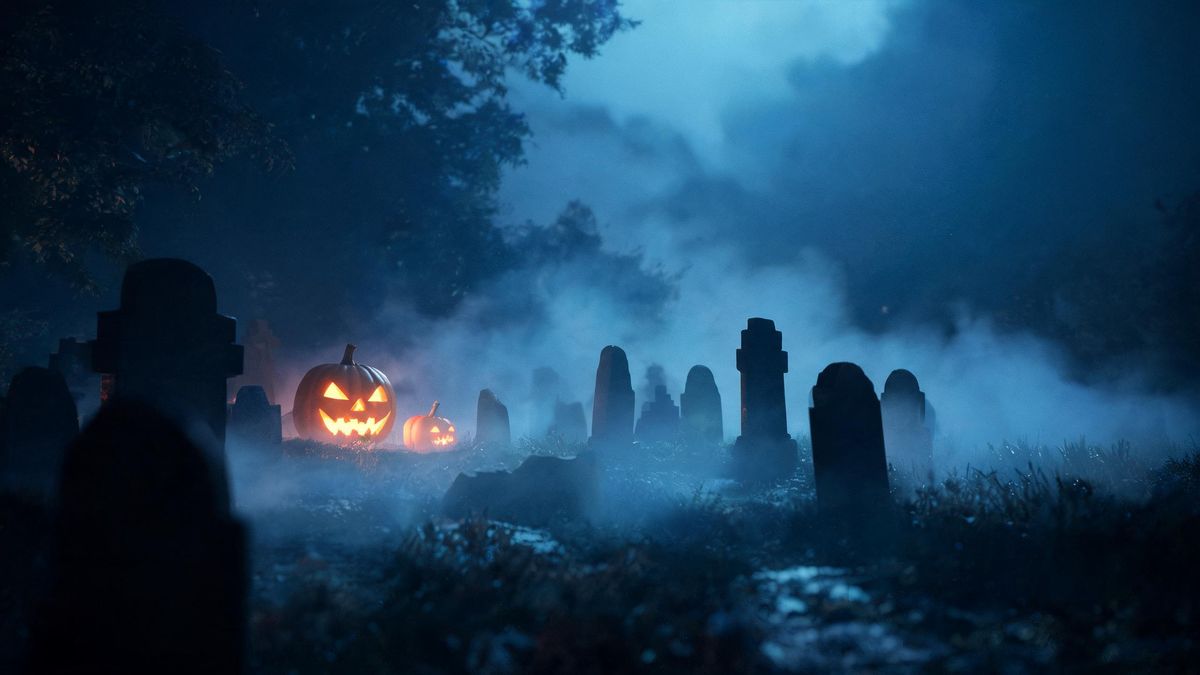
Horror degrades very quickly when everything is visible. A shape half lit is scarier than a shape fully rendered, and a sound in a dark frame leaves the viewer doing the expensive work of imagining the cause. Once you show the thing, whatever it was, the tension collapses into a special effects shot, and effects shots age badly and get flagged faster than anything else you will post this month.
There is a practical side to that restraint as well. Platforms treat graphic material harshly, advertisers treat it worse, and a small brand account cannot really afford either outcome. Every prompt on this page is written around darkness, stillness, distance and timing instead, so the output stays publishable almost anywhere while still carrying genuine unease. Limits like these rarely cost you anything the audience actually wanted, and they keep more doors open for next year.
None of this requires a location, a permit or a borrowed light kit either. It all runs from one clear, front-facing portrait, and every lamp in every scene is generated rather than built. Watch the calendar though. Interest accumulates right through October and then disappears almost immediately after the thirty-first, which makes the first half of the month the only sensible window for this kind of work, whoever the account belongs to.
Credits and plans
Every tool draws on one shared credit balance.
OpenFilmo draws every effect from one balance. Free accounts receive 30 credits each month with no credit card required, Starter costs 9 dollars for 400 credits, Pro costs 19 dollars for 1000, and Studio costs 59 dollars for 4000. The credit cost is shown before you confirm, so you can weigh whether a second attempt at a difficult scene is worth it before committing.
Related guides
Longer reads on the same workflow, from the OpenFilmo blog.
AI Video Prompt Formulas That Hold Up in Production
Prompt structures that work for AI video: subject, motion, camera, time and style — with tested formulas, failure patterns and a m…
Text to Video AI: Turn Any Prompt Into Video
Learn how text to video AI works, the four-part prompt formula that produces usable clips, how to fix common failures, and where i…
AI Content Labeling Rules: What You Must Disclose in 2026
What AI content labelling rules require: what to disclose, where human review is mandatory, and how platform rules differ from law…
Related tools
Closely related pages on the same problem.
Frequently asked questions
Is anything in these prompts graphic?
No. Every one of the ten avoids scenes of injury, avoids anything sharp or weapon-like, and avoids naming real people. What they use instead is darkness, stillness, distance, timing and sound, which is where suspense actually lives in this genre.
Can I build dread without putting a face in the shot?
Yes, and it is often stronger. Choose the carved pumpkin or night street direction, both of which carry no face whatsoever, then describe only the empty space, the light and the movement inside it. Your own text can sit cleanly over the top.
Is this material safe for a brand or sponsor account?
It should be. Nothing here depicts violence, blood, harm or recognisable individuals, so there is little for a reviewer to object to. Keep your own captions calm as well, since a violent caption can undo the restraint of a very clean visual track.
Which direction suits a horror scene best?
Lantern in fog suits a lone figure in damp night air, which covers most of these. Carved pumpkin gives you warm domestic light that has gone slightly wrong, and night street supplies empty pavement, distance and no faces at all.
How many credits does one scene consume?
The exact figure for a single render is not published and changes with queue conditions, so we do not quote one. The credit cost is shown before you confirm on OpenFilmo, so you always see it in advance. Free plans include 30 credits monthly with no card attached.
Halloween effect templates
Ready-made halloween templates in OpenFilmo — open one and drop your photo in.