
AI Fashion Editorial Prompts for Campaigns
A fashion editorial prompt is a styled scene — garment, model, setting, and mood — built to look like a magazine spread. Use these to mock up a lookbook or a campaign frame before a shoot.
These AI fashion editorial prompts are written for brand-safe, styled imagery: garments on a figure, a believable setting, and a clear mood. They describe clothing and lighting only, never anything explicit, so the results work for lookbooks, social posts, and campaign mockups.
Fashion prompts live or die on the garment and the setting. Name the outfit and where it is worn — a coat on a city street, a dress in a sunlit studio — and the model can build a believable editorial around it. Copy one and swap the pieces.
The core idea
Four principles behind every prompt on this page.
Name the garment
Describe the clothing concretely — cut, fabric, color — so the outfit reads as designed rather than implied.
Set the scene
Studio, street, or resort gives the frame a purpose. The setting decides whether the shot feels commercial or editorial.
Light for the mood
Hard sunlight reads as street; soft box light reads as studio; golden hour reads as campaign. Match the light to the brief.
Brand-safe only
Keep the figure fully clothed and non-sexualized. Editorial impact comes from styling, not exposure.
Step-by-step
The order that keeps you from debugging five things at once.
Pick a format
Lookbook, campaign, or street style — the groups below sort the common editorial formats.
Copy a prompt
Use the Copy button. Each prompt includes garment, setting and light, so it runs as written.
Swap the pieces
Change the garment color or the setting to fit your brief while keeping the style words.
Generate a few
Free covers about fifteen images a month. Try two or three outfits before keeping one.
Export
Export with no watermark on Free. For commercial use, keep the figure generic or fully owned by you.
Prompt recipes
Paste as-is, then swap the subject for yours. Use Copy on any card.
Studio lookbook
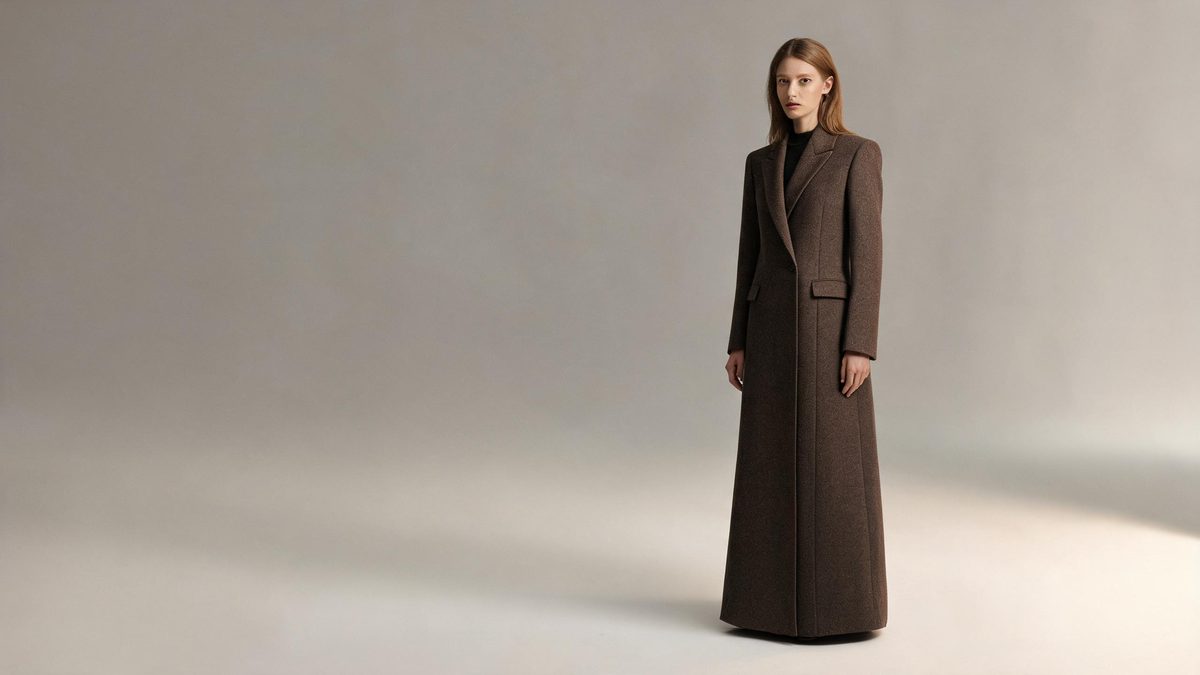
Fashion editorial, a model in a tailored wool coat, neutral studio background, soft box light, full-length shot, clean minimal mood, no text, no watermark.
Why it works: A neutral studio and soft box light put all attention on the garment, which is what a lookbook needs.
City street style
Fashion editorial, a person in an oversized blazer and sneakers, urban street background blurred, natural daylight, candid mood, 35mm, no text, no watermark.
Why it works: Street setting and a blurred city give the outfit context without distracting from it.
Golden-hour campaign
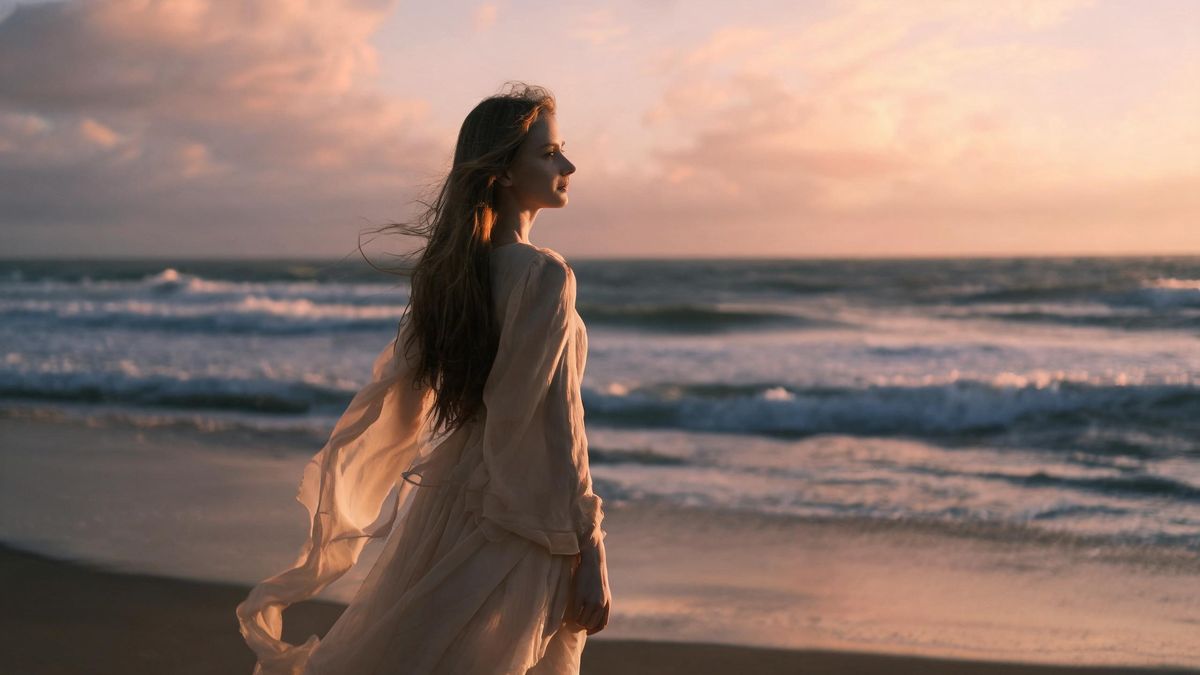
Fashion campaign, a flowing dress, warm low sunlight, coastal background, hair gently moving, romantic mood, 50mm, no text, no watermark.
Why it works: Golden hour and a coastline make even a simple dress feel like a campaign hero.
Resort editorial
Fashion editorial, linen outfit by a pool, bright midday light, relaxed pose, pastel palette, vacation mood, no text, no watermark.
Why it works: Linen and a pool signal resort, a clear commercial niche, without clutter.
Monochrome studio
Fashion editorial in black and white, structured suit, dramatic side light, high contrast, timeless mood, no text, no watermark.
Why it works: Removing color focuses on cut and silhouette, the strongest test of a design.
Layering look
Fashion editorial, layered knit and trench coat, autumn park background, soft afternoon light, cozy mood, 50mm, no text, no watermark.
Why it works: A named season and layers show the garment in context, useful for a collection shot.
Eveningwear
Fashion editorial, an evening gown, dim room with a single warm light, elegant pose, refined mood, 85mm, no text, no watermark.
Why it works: A single warm light flatters fabric and reads as premium without being explicit.
Sporty street
Fashion editorial, technical jacket and joggers, graffiti wall background, overcast light, energetic mood, no text, no watermark.
Why it works: A graffiti wall and overcast light place sporty wear in its native editorial scene.
Common mistakes
The ones that account for most weak results.
Garment too vague
"A nice outfit" tells the model nothing. Name the cut, fabric, and color of the clothing.
No setting
Without a setting the image floats. Add studio, street, or resort so the frame has a purpose.
Over-sexualizing
Editorial impact comes from styling. Keep the figure clothed and non-sexualized to stay brand-safe.
Flat light
Flat light flattens the garment. Name a light direction so the fabric shows texture and shape.
Why fashion prompts need a garment and a setting
An editorial frame is a styled scene. Naming the clothes and where they are worn is what makes it a shoot, not a snapshot.
Fashion imagery is about the garment in context, and the prompt has to say both. A coat described only as "nice" gives the model nothing to render; "tailored wool coat, neutral studio" gives it a design and a frame.
Light and setting carry the commercial mood. Studio light reads as a lookbook, street light as editorial, golden hour as campaign. Choosing them deliberately is how you brief the model without a mood board.
Brand safety is the non-negotiable. Editorial strength comes from styling, silhouette, and color, not from exposure, so every prompt here keeps the figure clothed and non-sexualized and stays usable commercially.
Practise it in OpenFilmo
Every recipe on this page runs in the same workspace.
One image costs 2 credits and a 4K upscale costs 4. The Free plan gives you 30 credits every month with no credit card, no watermark and commercial use included — roughly fifteen images before you pay anything. Paid plans start at $9 for 400 credits and add faster generation and parallel tasks.
Related guides
Longer reads on the same workflow, from the OpenFilmo blog.
AI Product Video for Ecommerce: What Converts
How to make AI product video that converts: shot types ranked by impact, consistency requirements, and the workflow for generating…
AI Video Generator for YouTube: Growth Workflow
How to use an AI video generator for YouTube: B-roll, Shorts, intros and thumbnails, a weekly workflow, plus monetisation and disc…
AI UGC Video Generator: Creator Ads at Scale
How to use an AI UGC video generator for creator-style ads at scale: hook formulas, script structure, a testing framework and disc…
9 Best Pollo AI Alternatives in 2026 (Compared)
An honest 2026 comparison of the best Pollo AI alternatives: OpenFilmo, Runway, Kling, Hailuo, Luma and HeyGen compared on price, …
Related prompt collections
More copy-ready prompt sets on the same problem.
Frequently asked questions
Are these fashion prompts brand-safe?
Yes. They describe garments, lighting, and setting only, with the figure fully clothed and non-sexualized, so the output suits lookbooks and campaigns.
How many can I generate free?
The Free plan gives 30 credits a month with no credit card, about fifteen images, with no watermark on export. One image costs 2 credits.
Can I use these commercially?
Free and paid plans include commercial use. Keep the figure generic or fully owned by you, and the export is safe to use.
Why does my fashion image look flat?
Usually the light or setting was missing. Add "soft box light" or "city street background" so the garment has context.
Can I turn a fashion still into video?
Yes. Image-to-video can carry the styled figure into a short clip, charged at the video rate rather than the still rate.
People & portrait photo prompts
Copy-ready prompt sets for weddings, families, maternity, newborns, profiles and graduations.
Scene & subject photo prompts
Copy-ready prompt sets for travel, landscapes, food, pets, architecture and street scenes.
Video prompt collections
Copy-ready prompt sets for text-to-video, image-to-video, product, UGC, social and tutorial clips.