
AI Cinematic Film Prompts for Still Frames
A cinematic prompt builds a single frame that looks pulled from a movie — aspect, lens, light, and grade. Use these to storyboard a scene or to plan a shot before filming.
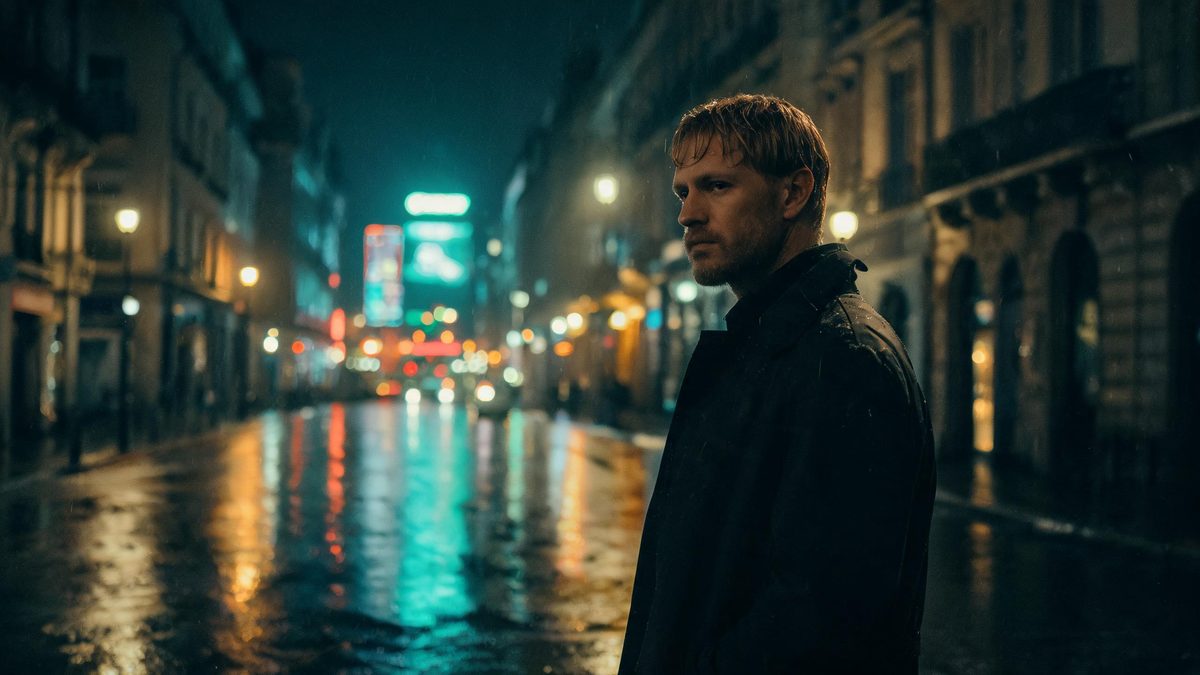
These AI cinematic film prompts are written for frame composition and grade, not for content. They describe camera, light, and color so the result reads as a film still — a wide shot of a city at night, a close portrait in teal-and-orange, a quiet interior. None contain explicit material.
Cinematic results come from thinking like a director of photography. Name the lens, the light direction, and the color grade, and the model stops producing a plain photo and starts producing a frame. Copy one and change the subject.
The core idea
Four principles behind every prompt on this page.
Lens and format
Name an anamorphic or wide lens and a cinematic aspect. That single choice separates a film frame from a snapshot.
Light direction
Practical lamps, window light, and neon tell the model where the drama is. Light is the cinematographer's main tool.
Color grade
Teal-and-orange, desaturated, or warm — the grade sets the emotional temperature before anything else.
Compose for story
Describe where the subject sits in the frame and what is around them. Composition implies a scene.
Step-by-step
The order that keeps you from debugging five things at once.
Pick a frame type
Movie still, anamorphic, or moody — the groups below cover the main cinematic looks.
Copy a prompt
Use the Copy button. Each prompt includes lens, light and grade, so it runs as written.
Change the subject
Swap the scene or character while keeping the cinematography words intact.
Generate a few
Free covers about fifteen images a month. Try two or three framings before keeping one.
Take it to video
Export with no watermark, then carry the frame into a short clip with image-to-video if you want motion.
Prompt recipes
Paste as-is, then swap the subject for yours. Use Copy on any card.
Neon city still
Cinematic film still, a lone figure on a rain-slick city street at night, neon signs reflected on the ground, anamorphic lens, teal-and-orange grade, shallow depth of field, no text, no watermark.
Why it works: Neon reflections and a teal-and-orange grade are the fastest signals of a modern night film.
Anamorphic landscape
Cinematic wide shot, a desert highway at dawn, anamorphic lens with horizontal flare, warm grade, vast negative space, no text, no watermark.
Why it works: A wide anamorphic lens and a horizon give the epic, breathable scale of a road movie.
Quiet interior
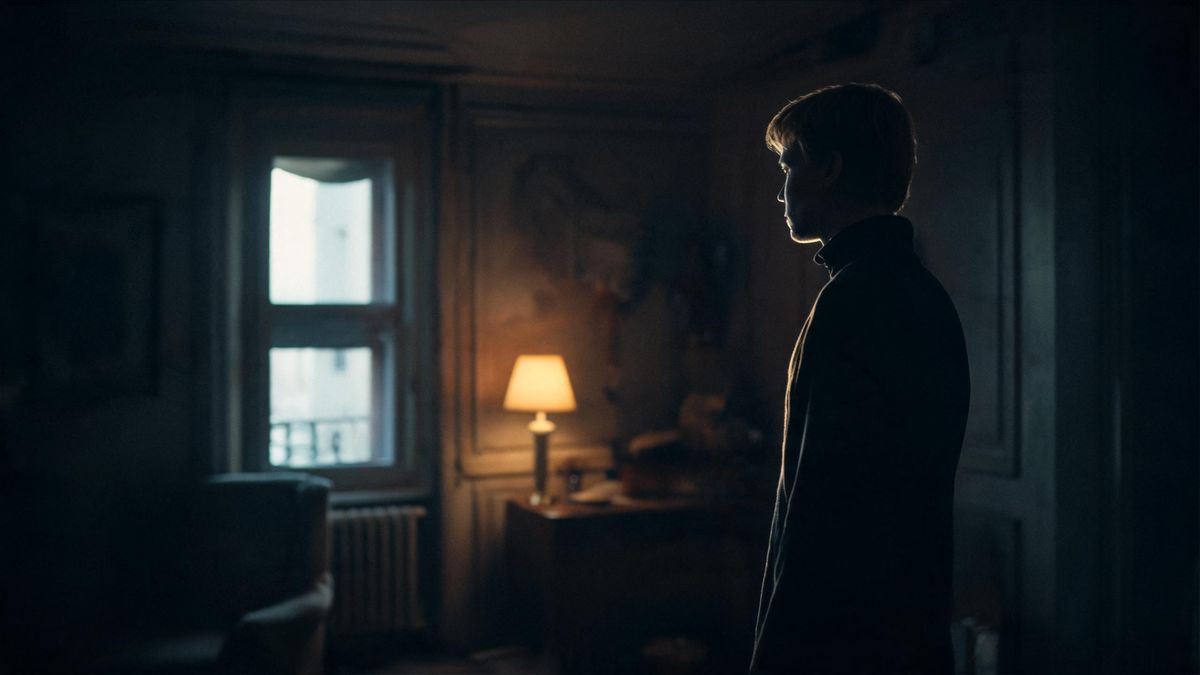
Cinematic film still, a dim room with one practical lamp, a person in silhouette, soft contrast, muted grade, 35mm, no text, no watermark.
Why it works: A single practical lamp and silhouette create suspense without showing anything explicit.
Teal-and-orange portrait
Cinematic close portrait, split teal-and-orange lighting on the face, shallow depth of field, film grain, dramatic mood, no text, no watermark.
Why it works: The teal-and-orange split is the signature Hollywood grade and reads as "film" instantly.
Over-the-shoulder
Cinematic over-the-shoulder shot, two chairs in a cafe, warm window light, shallow focus on the foreground subject, 50mm, no text, no watermark.
Why it works: An over-the-shoulder angle implies dialogue and a scene without needing a second face.
Misty forest
Cinematic wide shot, a forest in morning mist, soft diffused light, desaturated green grade, a small figure far away, no text, no watermark.
Why it works: Mist and a small figure give the frame a contemplative, atmospheric scale.
Car night drive
Cinematic film still, a car interior at night, dashboard light on the driver, city lights blurred outside, cool grade, shallow depth of field, no text, no watermark.
Why it works: Dashboard light and blurred city lights read as a quiet driving scene with no action needed.
Sunlit apartment
Cinematic still, an empty sunlit apartment, dust motes in a window beam, warm grade, slow peaceful mood, 35mm, no text, no watermark.
Why it works: An empty, lit room with a window beam conveys mood and story through setting alone.
Common mistakes
The ones that account for most weak results.
No cinematography words
"A cinematic photo" is meaningless. Name the lens, light, and grade or you get a plain image.
Flat grade
Without a color grade the frame looks like a snapshot. Add "teal-and-orange" or "desaturated" to set the temperature.
Crowded frame
Too much in frame kills the cinematic calm. Use negative space and one clear subject.
Forgetting aspect
A cinematic frame is usually wide. Name an anamorphic or wide lens so the composition breathes.
Why cinematic prompts need a cinematographer's vocabulary
A film frame is built from lens, light, and grade. Naming them is what turns a photo into a still.
The word "cinematic" by itself tells the model nothing; cinematography is a set of concrete choices. An anamorphic lens, a light direction, and a color grade are the three words that actually move the result from snapshot to frame.
Composition implies a story. A wide shot with a tiny figure, an over-the-shoulder angle, or a quiet empty room each suggest a scene without requiring a caption, which is exactly how film stills communicate.
Because these prompts describe craft rather than content, they stay safe and reusable. None rely on explicit material for impact, so the mood comes from light and grade, not from what is shown.
Practise it in OpenFilmo
Every recipe on this page runs in the same workspace.
One image costs 2 credits and a 4K upscale costs 4. The Free plan gives you 30 credits every month with no credit card, no watermark and commercial use included — roughly fifteen images before you pay anything. Paid plans start at $9 for 400 credits and add faster generation and parallel tasks.
Related guides
Longer reads on the same workflow, from the OpenFilmo blog.
AI Video Prompt Formulas That Hold Up in Production
Prompt structures that work for AI video: subject, motion, camera, time and style — with tested formulas, failure patterns and a m…
AI Video Upscaling to 4K: Refiners, Settings and Limits
How AI video upscaling and one-step refiners work, when to upscale versus regenerate at native resolution, and the settings that a…
Best AI Video Generators 2026: 15 Tools Tested
We tested 15 AI video generators on the same prompts and ranked them for 2026. Compare quality, speed, credit pricing and commerci…
AI Video Cost Per Minute: The Real Numbers in 2026
How to calculate true AI video cost per finished minute: generation price, regeneration waste, edit time and iteration, with worke…
Related prompt collections
More copy-ready prompt sets on the same problem.
Frequently asked questions
Are these cinematic prompts appropriate?
Yes. They describe camera, light, and grade only, with no explicit content. The mood comes from cinematography, not from what is shown.
How many can I generate free?
The Free plan gives 30 credits a month with no credit card, about fifteen images, and exports carry no watermark. One image costs 2 credits.
Why does my image look like a photo?
You likely left out the cinematography words. Add an anamorphic lens, a light direction, and a color grade.
Can I turn a film still into video?
Yes. Image-to-video can carry the frame into a short clip, charged at the video rate rather than the still rate.
Can I upscale a film still to 4K?
Yes. The video upscaling tool can enlarge and sharpen a still when you need a larger, cleaner file.
People & portrait photo prompts
Copy-ready prompt sets for weddings, families, maternity, newborns, profiles and graduations.
Scene & subject photo prompts
Copy-ready prompt sets for travel, landscapes, food, pets, architecture and street scenes.
Video prompt collections
Copy-ready prompt sets for text-to-video, image-to-video, product, UGC, social and tutorial clips.