
AI Anime Character Prompts, Original and Stylized
An anime character prompt builds a stylized figure from scratch — look, outfit, expression and setting. Use these to design original characters you can then keep consistent across frames.
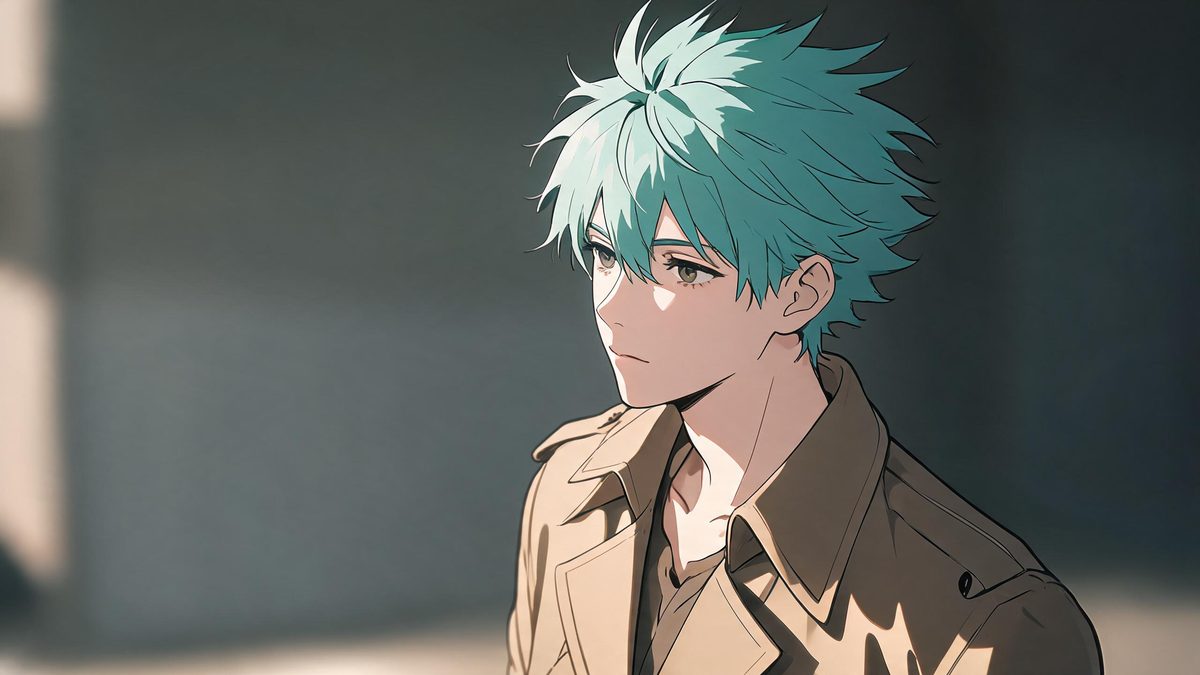
These AI anime character prompts are for original, stylized characters, not real people. They describe a drawn aesthetic — clean lines, flat or painted shading, expressive features — so the output is clearly non-photoreal and safe to use as a design starting point.
Anime prompts reward specificity about style. Naming a medium (cel-shaded, painterly, watercolor) and a mood (calm, determined, whimsical) points the model away from generic "anime" and toward a character you actually want. Copy one, then change the hair, outfit, or setting.
The core idea
Four principles behind every prompt on this page.
State the medium
Begin with the art style — cel-shaded, painterly, watercolor, line art — so the model knows you want a drawing, not a photo.
Build the design
Hair, outfit, and color palette define a character. Describe them concretely so the figure is recognizable across images.
Pick an expression
Expression carries personality. Name it — calm, surprised, determined — instead of leaving the face neutral.
Keep it original
Describe a generic original character rather than a named franchise or real person. It stays yours and avoids rights issues.
Step-by-step
The order that keeps you from debugging five things at once.
Choose a style
Cel-shaded, painterly, or watercolor — the groups below separate the common anime looks.
Copy a prompt
Use the Copy button. Each prompt includes medium, design and mood, so it runs as written.
Adjust the design
Change hair color, outfit, or setting to make the character your own while keeping the style words.
Generate a few
Free covers about fifteen images a month. Try two or three designs before settling.
Keep consistent
Save a prompt you like as a base, then vary only the pose to keep the same character across frames.
Prompt recipes
Paste as-is, then swap the subject for yours. Use Copy on any card.
Cel-shaded hero
Original anime character, cel-shaded style, spiky teal hair, a simple traveler coat, determined expression, clean line art, flat color, plain background, no text, no watermark.
Why it works: Cel-shading plus clean lines is the most readable anime look and keeps the character graphic and clear.
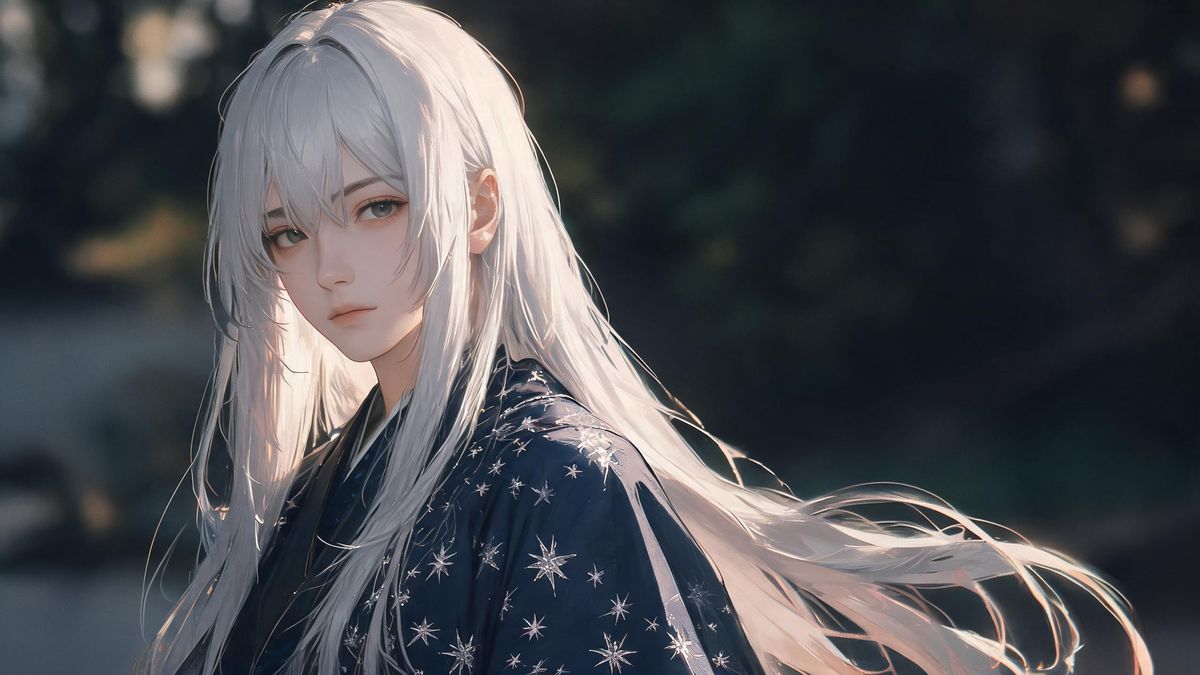
Painterly mage
Original anime character, painterly soft style, long silver hair, a robe with embroidered stars, calm expression, gentle brush texture, no text, no watermark.
Why it works: Painterly shading reads as "illustration," which suits a softer, more atmospheric character.
Watercolor schoolgirl
Original anime character, watercolor style, short brown hair, a school uniform, cheerful expression, soft paper texture, pastel palette, no text.
Why it works: Watercolor and pastels signal a light, everyday tone rather than a battle scene.
Cyberpunk rider
Original anime character, cel-shaded, neon highlights in the hair, a futuristic jacket, confident smirk, rain in the background, no text, no watermark.
Why it works: Neon and rain place the character in a genre instantly without naming a franchise.
Cozy cafe worker
Original anime character, soft painterly style, apron over a knit sweater, warm smile, a cafe background blurred, afternoon light, no text, no watermark.
Why it works: An everyday outfit and setting make the character relatable instead of heroic.
Fantasy archer
Original anime character, cel-shaded, a green hood, a bow on the back, focused expression, forest background, no text, no watermark.
Why it works: A named role and environment give the model a pose and context to build around.
Idol on stage
Original anime character, bright cel-shaded, twin-tail hair, a stage outfit with ribbons, joyful expression, stage lights bokeh, no text, no watermark.
Why it works: Stage lights and ribbons signal performance and keep the palette lively.
Quiet library reader
Original anime character, soft watercolor, round glasses, a cardigan, peaceful expression, bookshelves softly blurred behind, no text, no watermark.
Why it works: Glasses and a quiet setting communicate personality without action.
Common mistakes
The ones that account for most weak results.
Only writing "anime"
"Make an anime character" is too vague. State the medium and the design or you get a generic face.
No expression
A neutral face reads as unfinished. Name the expression so the character feels alive.
Copying a franchise
Naming a specific show or real person creates rights problems. Describe an original character instead.
Inconsistent design
Changing hair and outfit every time loses the character. Lock the design and vary only the pose.
Why anime prompts need a stated medium
Without naming the art style, the model guesses between photo and drawing. The medium word decides everything.
Anime is a style, not a subject, and the model needs to be told which style. "Cel-shaded" versus "watercolor" versus "painterly" produce completely different images, so that single word is the most important part of the prompt.
A character is the sum of small design choices. Hair, outfit, and color palette are what make a figure recognizable the next time you generate it, which is why the prompts above name them concretely rather than loosely.
Keeping the character original protects you. Describing a generic design rather than a named franchise or real person means the result is yours to use, commercial or not, with no rights question attached.
Practise it in OpenFilmo
Every recipe on this page runs in the same workspace.
One image costs 2 credits and a 4K upscale costs 4. The Free plan gives you 30 credits every month with no credit card, no watermark and commercial use included — roughly fifteen images before you pay anything. Paid plans start at $9 for 400 credits and add faster generation and parallel tasks.
Related guides
Longer reads on the same workflow, from the OpenFilmo blog.
Character Consistency in AI Video: What Actually Works
How to keep characters consistent across AI video shots: reference images, prompt discipline, key frame locking and post-hoc corre…
AI Anime Video Generator: Text or Image to Anime
How to use an AI anime video generator: a script-to-anime workflow, character consistency with reference images, style options and…
How to Use Midjourney Video: A Practical Guide
How to use Midjourney video: generating motion from images, prompt approach, aesthetic control, and where it fits alongside dedica…
9 Best Pollo AI Alternatives in 2026 (Compared)
An honest 2026 comparison of the best Pollo AI alternatives: OpenFilmo, Runway, Kling, Hailuo, Luma and HeyGen compared on price, …
Related prompt collections
More copy-ready prompt sets on the same problem.
Frequently asked questions
Are these anime prompts original and safe?
Yes. They describe original, stylized characters with no real people and no named franchises, so the output is non-photoreal and free of rights issues.
How many can I make for free?
The Free plan gives 30 credits a month with no credit card, about fifteen images, and exports carry no watermark. One image costs 2 credits.
Can I keep the same character across images?
Yes. Save a prompt you like as a base and vary only the pose or setting to keep the design consistent across frames.
Why does my anime character look generic?
Usually the medium or design was left vague. Add "cel-shaded" or "painterly" and name the hair, outfit, and expression.
Can I turn an anime character into video?
Yes. Image-to-video can carry an original character into a short clip, charged at the video rate.