
Style effect
Turn a Photo Into a Claw Machine Video
Place people or animals inside a vertical arcade-style grab scene. One photograph becomes a 4-second 720p claw machine video in 9:16 for 60 credits.
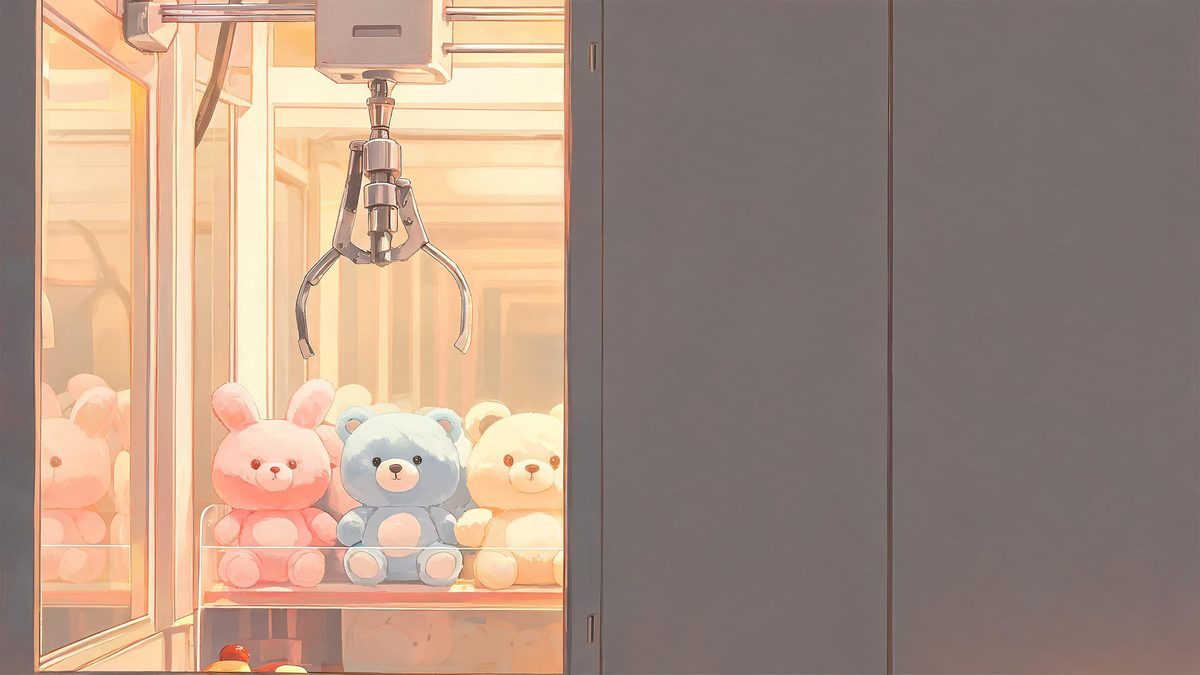
A claw machine scene turns a familiar subject into the prize, using the grab attempt as both action and joke. This effect accepts one photograph containing one person or animal, a pair, or several subjects. Full-body or half-body people and full-body animals are the recommended input because the claw interaction depends on seeing enough of the figure to understand what is being lifted. The result packages that setup inside a tall arcade-style composition.
Each run uses 60 credits and returns a 4-second 720p video in 9:16. The claw can break apart, fail to lift the subject, or move in a way that does not follow real machine behaviour. Those limits affect the central action rather than a background detail, so the grab must be reviewed carefully. A visually amusing failure may still suit a casual post, but it should not be mistaken for a physically convincing machine sequence.
Specs at a glance
Straight from the product panel, not from a marketing deck.
- Output
- 4-second video
- Credits
- 60 per run
- Resolution
- 720p
- Aspect ratio
- 9:16
- Input
- 1 photo — one person or animal, a pair, or several subjects
- Best results with
- Full-body or half-body people, and full-body animals
- Known limits
- The claw can break up, the grab can fail to lift the subject, or the claw movement can ignore how a real machine behaves.
What it does
Built for this specific job, not a generic editor.
Subjects recast as arcade prizes
People or animals from the source photograph become the focus of a claw-machine scenario. The template supplies the cabinet context, the grab mechanism, and the movement, so the source only needs to establish the intended figures clearly.
Solo through several subjects
One person, one animal, a pair, or several subjects can appear in the uploaded image. This supports individual joke clips, paired scenes, and busier prize-cabinet compositions without requiring each subject as a separate input.
Vertical 9:16 presentation
The finished animation is delivered in a fixed tall ratio at 720p. The format gives the cabinet visible height for the claw to move, while full-body framing helps the chosen prize remain readable beneath it.
A complete grab attempt in 4 seconds
The action is compressed into a brief clip that uses 60 credits. The claw approaches and interacts with the subject inside that short window, creating a self-contained visual idea even when the simulated mechanics are imperfect.
How it works
Four steps, no timeline to learn.
Select a figure the claw can visibly target
Choose 1 photograph with full-body or half-body people, or a full-body animal. Keep the intended subject clear of edge crops and heavy overlap, since a visible complete shape makes the grab attempt easier for viewers to understand.
Plan for the tall cabinet frame
Use a composition that can adapt to 9:16, with room above the main figures for the claw action. Several subjects should remain close enough to fit vertically but separated enough that the target of the grab is not visually ambiguous.
Upload and check the 60-credit cost
Add the source image to the Claw Machine effect and review the amount on the confirmation screen. Approval creates one 4-second video at 720p in the fixed vertical format.
Judge the mechanics and subject integrity
Watch whether the claw remains intact, makes contact, and lifts the intended figure. Also assess whether its path feels plausible enough for the purpose, since the mechanism can ignore the behaviour expected from a physical arcade machine.
Where people use it
The jobs this effect actually gets used for.
Playful solo prize reveals
A single full-body person can become the featured prize in a compact visual gag. A centred pose with clear limbs makes the target obvious and gives the tall frame enough room to show the claw descending from above.
Animal arcade clips
A full-body animal photograph can be placed inside the cabinet without requiring a costume or staged prop. Keep paws, tail, and head visible so the subject remains identifiable if the claw overlaps part of its outline.
Paired grab scenarios
A pair can share the prize area and create uncertainty about which figure the claw will choose. That ambiguity can be entertaining, but both subjects should be separated clearly enough that a failed lift is distinguishable from a merged body shape.
Several-subject cabinet scenes
A photograph with several figures can produce a fuller claw-machine composition. Avoid a dense crowd where bodies overlap completely, because the central grab action becomes difficult to read when the target has no independent silhouette.
Why the grab action is the quality test
The cabinet can look convincing while the claw itself still breaks the illusion.
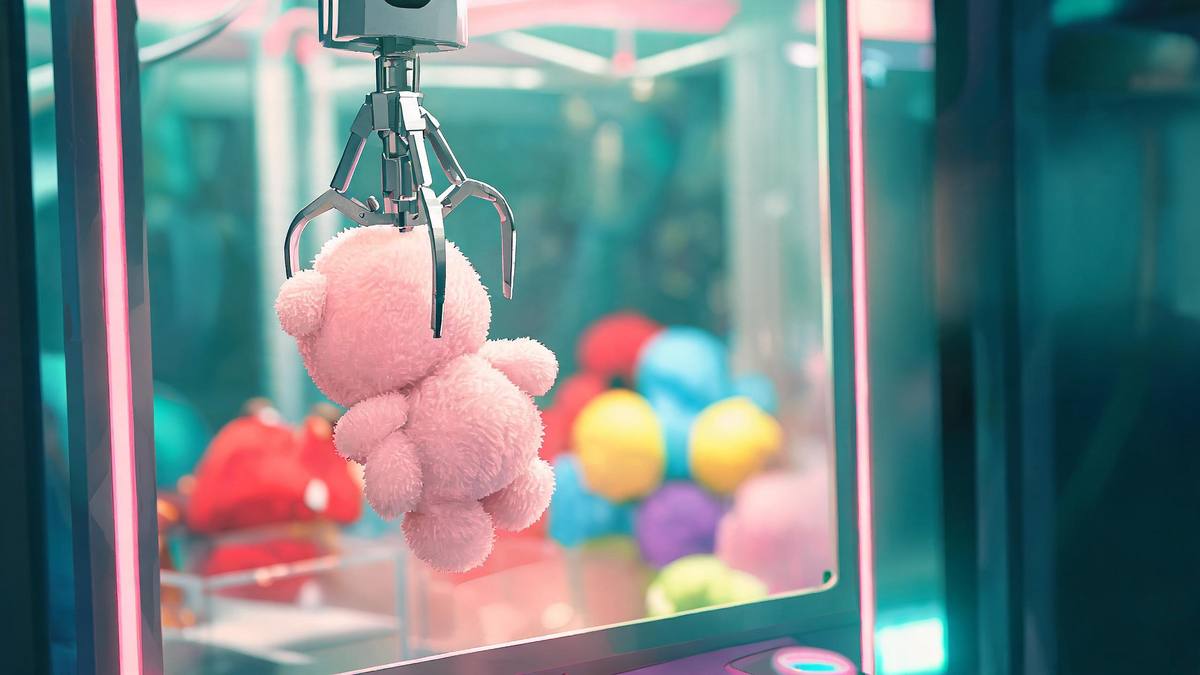
This effect has a very clear visual premise: a claw descends, catches a subject, and attempts to lift it. Viewers understand that sequence immediately because the physical machine is familiar. As a result, defects in the mechanism attract more attention than minor background variation. A complete full-body figure gives the action a visible target and lets the audience judge contact. Tight face crops remove the spatial information that makes the joke work, which is why broader framing is recommended for people and animals.
The fixed 9:16 format supports the vertical movement naturally. Space above the subject allows the claw to descend, while the lower part of the frame can contain the prize area. Source photographs that already place the figure near an edge or spread several people across a wide row are harder to reorganise into that shape. A centred composition with distinct silhouettes gives the animation room to establish the machine, move the claw, and keep the intended target visible inside 4 seconds.
Three related limits can undermine the main action. The claw may break up visually, the grab may fail to raise the subject, or the path may ignore realistic machine mechanics. A failed lift can still be funny if the clip is clearly playful, but structural break-up often looks accidental. Review the result according to its purpose: plausibility matters for a polished arcade simulation, while absurd movement may be acceptable in a joke. In either case, make sure the subject does not become distorted beyond recognition during contact.
Credits and plans
Every effect draws on one shared credit balance.
One Claw Machine video costs 60 credits from the shared OpenFilmo account balance, and the amount is visible before the run starts. Free gives 30 credits monthly with no credit card required. Starter is $9 for 400, Pro is $19 for 1,000, and Studio is $59 for 4,000.
Related guides
Longer reads on the same workflow, from the OpenFilmo blog.
Image to Video AI: Animate Any Photo in Seconds
A complete guide to image to video AI: what makes a good source image, how to write motion prompts, top use cases, and how to fix …
AI Video Prompt Formulas That Hold Up in Production
Prompt structures that work for AI video: subject, motion, camera, time and style — with tested formulas, failure patterns and a m…
AI Video Generator for YouTube: Growth Workflow
How to use an AI video generator for YouTube: B-roll, Shorts, intros and thumbnails, a weekly workflow, plus monetisation and disc…
Related effects
Same family of effects, on the same kind of input.
Frequently asked questions
What can I put inside the claw machine?
Upload 1 photo containing one person or animal, a pair, or several subjects. Full-body or half-body people work best, while animals should appear full-body so the grab has a complete visible figure to target.
What format does the claw video use?
The result is a 4-second video at 720p in a fixed 9:16 aspect ratio. It is designed as a tall cabinet scene, so source images with centred figures and room above them are easier to organise.
How many credits does a grab attempt require?
A single run costs 60 credits and the amount is shown before confirmation. The charge covers the complete arcade-style animation generated from the one uploaded photograph.
Can the claw fail to pick up the subject?
Yes. The grab can fail to lift the intended figure. That may still work as a comic outcome, but it is a known limit and should be rejected when the concept depends on a successful, readable pickup.
Why does the claw look physically wrong?
The mechanism can break up or move without following how a real claw machine behaves. Inspect its shape, path, contact, and lift before using the result in a polished scene where plausible arcade mechanics matter.