
Beautify a Portrait Without Losing the Person
Beautify means a finished portrait that still looks like the person in the room. The slider should stop where the resemblance does.
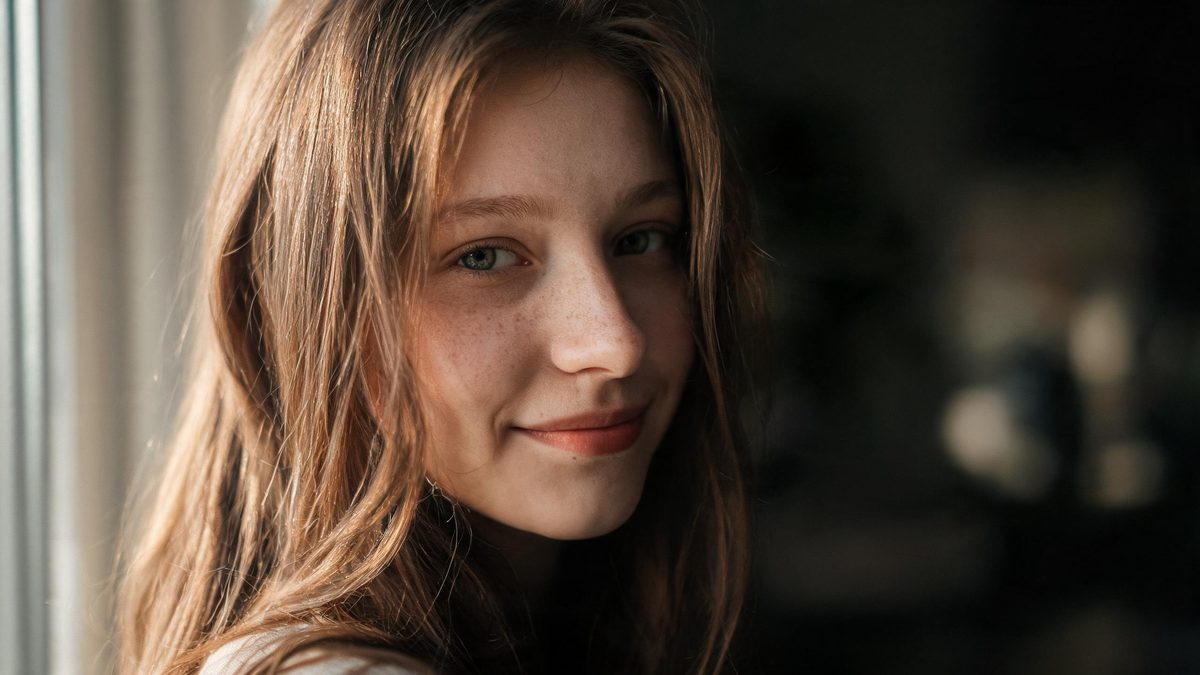
AI beautify photo, on this page, is the gentle end of portrait editing: a soft lift of light, a slight ease of texture, a touch of colour that makes a casual photo feel finished. The workspace is OpenFilmo and runs in the browser at app.openfilmo.com with nothing to install. You upload one portrait, choose a light touch, and review before exporting — the aim is a picture someone recognises, not a surface with no history.
This page is about restraint and where the slider should stop. Removing a blemish, recovering a soft shot, or restyling an expression are the sharper neighbours on the face editor page; if the issue is a spot, retouch is the right tool, and if it is clarity, that is enhance. Stay here when what the portrait needs is a light, natural finish.
What it does
Built for this specific job, not a generic editor.
Natural light and colour lift
The beautify eases exposure and warms colour just enough that a flat or tired portrait feels alive, without the crushed contrast and neon skin that mark a heavy filter. The lift is meant to be felt, not noticed.
Texture ease, identity kept
A light ease of skin texture sits at the core of beautify, but it stops short of erasing pores and lines. Keeping micro-detail is what lets the result read as the same person rather than a render, which is the whole point of a natural finish.
Adjustable, not automatic
The work is presented as a light touch you can dial, not a one-click transformation the tool decides for you. Choosing how far to go is what keeps a beautify from sliding into a remake, and it costs the same single edit either way.
One edit, shared balance
Each beautified portrait is one entry against a single balance shared with the rest of the workspace, at the same two-credit rate as any other face edit. You are billed per edit kept, so a careful finish costs less than regenerating to chase a look.
How it works
Four steps, no timeline to learn.
Pick the lightest touch that helps
Start one step below where you think you want it. A portrait that is slightly finished reads as natural; one that is fully beautified reads as artificial, and the difference is mostly in how far you went, not which tool you used.
Compare against the original
Free gives 30 credits a month, about fifteen edits, so a portrait can be tried more than once. Flip between the result and the original before exporting, because a beautify that drifts the likeness is worse than no edit at all.
Keep the marks that identify
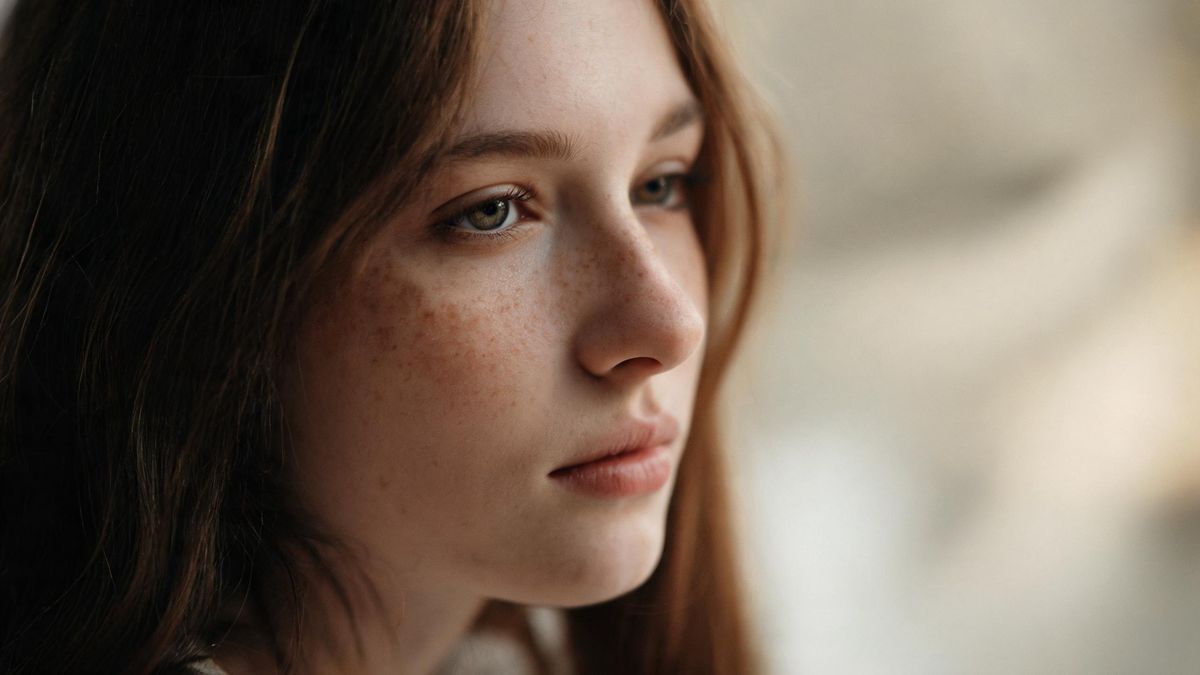
A freckle, a line, the shape of a smile — these survive a light beautify and are what make the person recognisable. Removing them to chase a flawless surface is the failure mode this page exists to avoid.
Export at full size
When the finish holds up next to the original, export. A natural beautify should survive being viewed at actual pixels, which is the test a filter rarely passes.
What people use it for
The jobs this actually gets used for.
A casual self-portrait
A quick photo that feels flat gets a light finish so it reads as intentional, while still looking like the person who took it.
A profile or team photo
A consistent, lightly finished look across a set of portraits makes a page feel cohesive without anyone looking retouched.
A gift or print
A favourite casual shot, gently lifted, becomes worth framing without being turned into someone else.
A social post
A portrait that needed only a little help reads as natural in a feed, where an obvious filter is the first thing viewers distrust.
Why natural beats flawless
A beautify that removes the person has failed, no matter how smooth the skin.
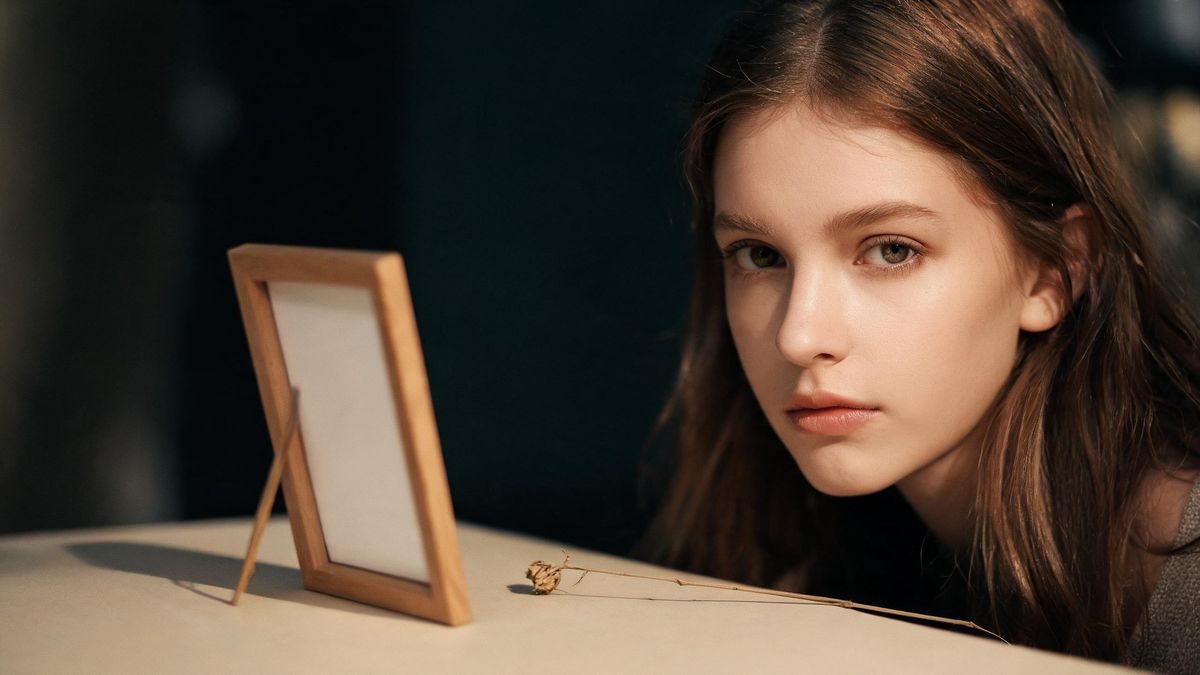
Beautify fails when the slider keeps going after the resemblance leaves. A portrait with no texture, no lines and no marks is a portrait of no one, and viewers place that absence faster than they place any single flaw. The discipline is to finish the photo while leaving the person, and the tool only helps if you stop it in time.
The mechanism that makes natural possible is restraint plus adjustability. A light, dialled touch eases texture and lifts light without erasing identity, and it costs the same single edit as a heavy one. The heavy version is never the better result; it is just the easier one to overshoot, which is why this page keeps insisting on the lightest touch that helps.
Cost is the same as the other face edits. One beautify is two credits and Free covers about fifteen, so a portrait can be finished across a few attempts — but each attempt should move the slider, not regenerate blindly. Spending credits to chase a look the original cannot support is where the balance drains while the likeness slips.
Credits and plans
Every tool draws on one shared credit balance.
One beautify costs two credits and is drawn from a single balance shared with the rest of the workspace; image-to-video and text-to-video use the same models at the same rate. Free is $0 a month for 30 credits with no credit card, which is about fifteen edits, runs one task at a time at standard speed, exports with no watermark and includes commercial use. Starter is $9 for 400 credits, Pro is $19 for 1,000, and Studio is $59 for 4,000 with API access. Prices are those listed on the pricing page in October 2026.
Related guides
Longer reads on the same workflow, from the OpenFilmo blog.
9 Best Pollo AI Alternatives in 2026 (Compared)
An honest 2026 comparison of the best Pollo AI alternatives: OpenFilmo, Runway, Kling, Hailuo, Luma and HeyGen compared on price, …
AI Video Watermarking and C2PA: Provenance Explained
How AI video watermarking, embedded metadata and C2PA content credentials differ, what survives re-encoding and screenshots, and h…
Image to Video AI: Animate Any Photo in Seconds
A complete guide to image to video AI: what makes a good source image, how to write motion prompts, top use cases, and how to fix …
Related tools
Closely related pages on the same problem.
Frequently asked questions
How much does one beautify cost, and what does Free cover?
Two credits per edit, from one balance shared across the workspace. Free gives 30 credits a month with no credit card — about fifteen beautifies — and includes commercial use and exports with no watermark. Paid plans start at $9 for 400 credits.
Will it make me look like someone else?
It should not. The beautify eases texture and lifts light while keeping the detail that makes you recognisable, and it is presented as an adjustable touch you control rather than a transformation the tool decides. If the result drifts your likeness, dial it back or keep the original.
Is this a heavy beauty filter?
No. A filter applies one global, often extreme change; this is a light, adjustable finish meant to be felt rather than noticed, and it deliberately stops short of erasing pores, lines and identifying marks.
Can I use it on a group photo?
The page is built around a single portrait face. A group shot can be addressed, but the editor works best when one face is the subject; for several faces, plan one edit per portrait rather than one heavy pass over everyone.
Can I use the result commercially?
Yes — commercial use is included on Free as well as paid plans, and exports carry no watermark. You remain responsible for having the right to use the portrait you upload.